Art

Spring 2026

Statement of Creative Process

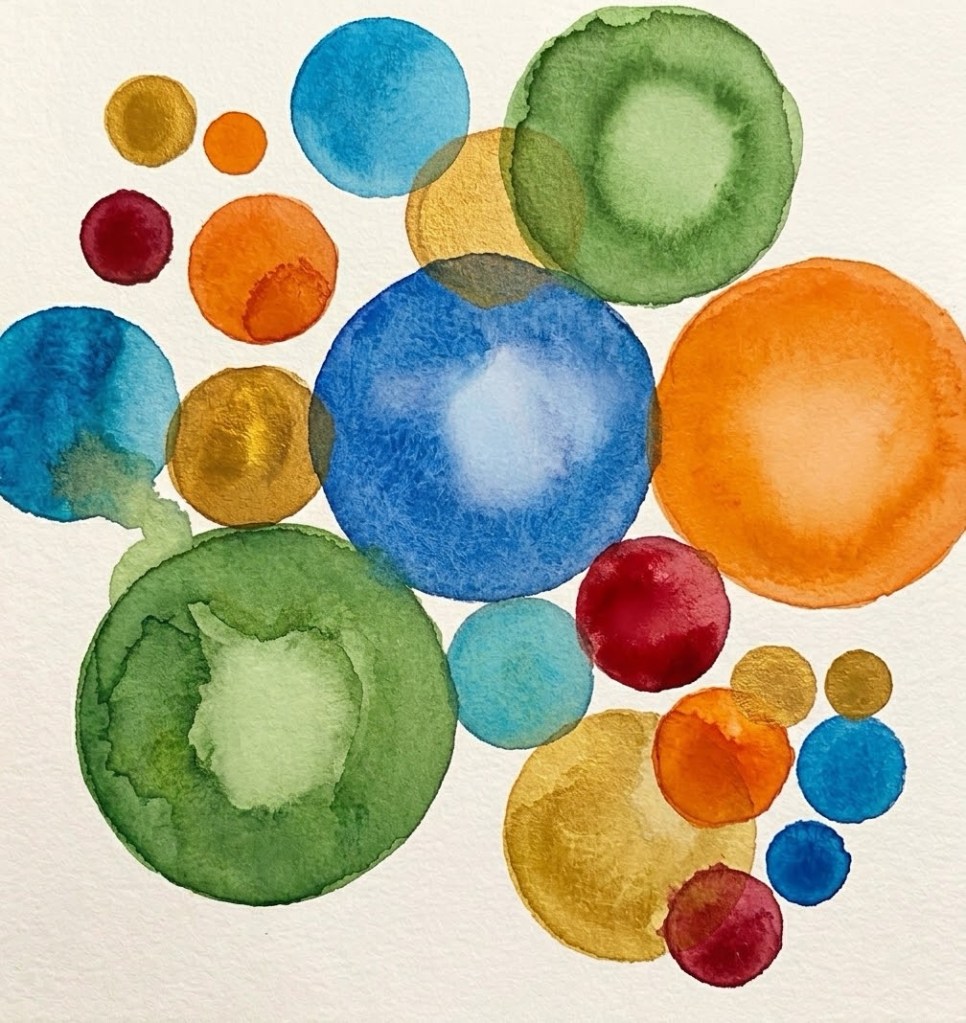
In this collection, I adapt new processes to transform works of art I’ve created over the years. I experiment with blending traditional practices and materials—oil, acrylic, watercolor, pen and ink on various kinds of canvas and paper—with emerging technologies for reimagining images. Contemporary technology places extraordinary ethical and philosophical pressure on artists; yet when treated as a collaborator or apprentice rather than a replacement, it can become a generative force in the studio.

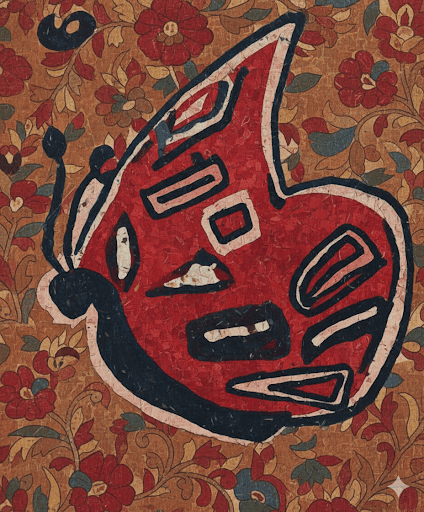
My approach draws equally from folk and classical lineages of image‑making and from pre‑print and early print technologies of image transfer. I look to graceful Indian forms such as Kalamkari, Tanjore, Patua, and other vernacular traditions, as well as to European woodcuts, lithography, intaglio, stained glass, tesserae, and inlay work. Where the printing press once pressed inky images onto waiting sheets of paper, a series of codes now “prints” pictures virtually by pushing pixels onscreen as values of light and shadow that travel through the camera obscura of the human eye before being processed by brain and mind.

This collection explores that long arc of image‑making—from hand‑drawn folk motifs and carved blocks to computational systems that translate vision, memory, and materiality into digital form—undertaking a kind of anthropology of the aesthetic impulse. My aim is not to suggest an equivalency or substitutionality between hand-drawn and digital artwork—indeed, each medium deserves analysis on its own terms, without overlooking the possibilities of mutual interface and recognition. A number of these images were, for instance, initially painted by hand while others began digitally before being transferred and reimagined on paper using various materials. I find that this kind of cross-fertilization opens up new creative channels.

I’m curious to keep exploring what it means to have light waves at our fingertips, how working with codes and pixellated RGB’s changes the dynamics of artistic labor and form, how digitized art reshapes our relationship to the mind/body and the environment. Chemical processes such as oxidation, polymerization, and coalescence are not how materials are transformed in the digital context. We use our senses in new ways to make and perceive digital artwork. Traditional materials such as oil and acrylic paint may contain heavy metals and can release volatile organic compounds into the environment. Their production, moreover, can be resource intensive. By obviating the need for paint, the digital medium offers an interesting way to potentially reduce our eco-footprint, though it certainly isn’t the only way we can co-create and implement ecologically sound principles of art-making. Moreover, we can’t abstract digital artwork from the enormous amounts of energy and resources required to operate the data centers that process digital information, providing the critical infrastructure for computing at all levels.